Beyond the Kitchen: Novamobili, Archeda, and Ronda Design at Milan 2026

Italian design news isn’t only about kitchens. This year, three brands working in storage, bathroom furniture, and sculptural metalwork all used Milan Design Week and its surrounding events to show how much room for innovation still exists outside the kitchen itself.

Novamobili: Living Beyond the Surface

For Milan Design Week 2026, storage and living specialist Novamobili unveiled “Living Beyond the Surface. Where Design Becomes Expression” at its flagship store in Milan’s Portanuova district — an installation built around the relationship between matter, light, and transparency.

Novamobili Milan Design Week 2026 installation
Novamobili’s “Living Beyond the Surface” installation at its Milan flagship store. Photo courtesy of Novamobili.

New product news backed up the concept. Velia introduces transparent storage units in aluminum and glass, while the modular Box 18 system gains curved modules and new vertical elements for more architectural, customizable compositions. The collection is rounded out by the Hashi table from designer Matteo Zorzenoni, the modular Kiri sofa by egg-s, open Rail storage units, and new versions of the Agel seating collection. A recurring material note across the installation was the Vibra panel, a three-dimensional slatted surface that brings rhythm and depth to a room.

Material innovation was a real focus, too: natural marble in new warm tones, an engineered stone-look surface called Eternastone, and a lightweight ceramic surface dubbed Light Stone. On the sustainability side, Novamobili introduced a Bio water-based lacquer made with renewable plant resins, aimed at cutting VOC emissions and improving indoor air quality — alongside veneers and wood finishes sourced from certified, recycled supply chains.

Archeda: A Milestone Year for the Tulle Collection

Italian bathroom furniture brand Archeda marks its 30th anniversary in 2026, and it’s using the occasion to expand one of its signature lines. The Tulle collection now includes new curved end units, softening the system’s geometry with fluid, continuous lines in place of rigid corners.

Archeda Tulle bathroom collection curved end units 2026
Archeda’s Tulle collection with new curved end units, marking the brand’s 30th anniversary. Photo courtesy of Archeda.

The technical highlight is a curved end unit with a triple-opening option — offered in both an inward-opening version, which eliminates lateral bulk near walls or fixtures, and an outward-opening version for easier, more direct access to storage. It’s a case of turning a purely functional requirement into a genuine design feature. The new pieces debut in a Tulle composition finished in Rigato Bianco Opaco, paired with a Tecnoril top with integrated basin, the Raggio mirror with perimeter lighting, and the LUX lamp — a full, coordinated bathroom scheme rather than a single standalone update.

Ronda Design: A First-Time Move to the Heart of Milan

After ten years exhibiting at Fiera Milano Rho, metal and magnetic-furniture specialist Ronda Design made a deliberate change for 2026: stepping into the city center itself, joining FOCO by Archiproducts for a more open, informal Fuorisalone presence.

Ronda Design Fuorisalone 2026 FOCO installation
Ronda Design’s installation at FOCO by Archiproducts, Fuorisalone 2026. Photo courtesy of Ronda Design.

The centerpiece was Magnetika, Ronda Design’s modular magnetic wall system, shown in a configuration enriched with new Gelosia lighting modules that turn light into part of the composition itself, alongside the Linearetta shelf with integrated LED. The brand’s well-loved Levia bookcase also appeared in its backlit Levia LED version, using integrated lighting to turn a simple shelving piece into a genuine focal point. Rounding things out, the Jupe table introduced new back-lacquered glass finishes designed to catch and reflect light differently depending on the room and the angle.

The location shift wasn’t incidental — Ronda Design described it as a chance to connect with architects and designers in a more direct, conversational setting, and the FOCO installation will remain open through January 2027 for anyone who wants a slower look.

Why It’s Worth Watching

Storage, bathroom furniture, and architectural metalwork rarely get the spotlight kitchens do, but all three of these brands are using material innovation — glass, ceramic, backlit metal — to do real design work rather than simply decorate. If you’re planning a renovation that extends past the kitchen itself, these are useful names to have on your radar.

Thinking beyond the kitchen for your next project? Book a consultation with our design team — or Get a Quote to get started.

Best High-End Kitchen Appliance Brands: 2026 Roundup

Outfitting a luxury kitchen used to mean picking the biggest stainless-steel range you could find. In 2026, it’s more nuanced. The defining idea this year is “quiet luxury” — professional-grade performance that hides in plain sight, integrated behind custom panels and flush with the cabinetry rather than shouting for attention. The best brands now pair commercial-level capability with refined, disappear-into-the-room design.

There’s no single “best” brand, because each one solves a different problem — refrigeration, precision cooking, quiet operation, or fully custom looks. Here’s a roundup of the names worth knowing this year, what each does best, and the trade-offs to keep in mind, followed by a short buyer’s guide.

Sub-Zero, Wolf & Cove — The American Icons

This family of brands is the reference point for many luxury kitchens, and for good reason. Sub-Zero leads in refrigeration: its dual-refrigeration system uses two separate compressors so fridge air stays cool and moist while freezer air stays cold and dry, preventing odour transfer, and its air-purification system (originally developed for NASA) scrubs ethylene gas to keep produce fresher longer. Wolf handles the cooking side with dual-stacked burners and convection ovens built for serious performance, while Cove rounds out the trio with ultra-quiet dishwashers. Many designers pair a Sub-Zero for cold with a Wolf for heat as a default high-end combination.

Miele — Engineering and Longevity

Miele is a pillar of the luxury market, known for building most components in-house and famously testing products to simulate 20 years of average household use. That obsession with durability, along with reliably flush, panel-ready integration for refrigeration and dishwashers, makes it a favourite for seamless, built-in kitchens. If long-term reliability and integrated design top your list, Miele consistently earns top marks.

Thermador — Innovation and Value

Thermador has been innovating in cooking for over a century, best known for its Star Burner (delivering more even flame distribution) and Freedom induction cooktops, plus flexible column refrigeration that lets you configure fridge and freezer columns separately. It’s frequently the value leader among premium brands thanks to strong package deals and rebates. The trade-offs: some wall ovens use single convection, and the digital interfaces can be less intuitive than rivals.

Gaggenau — Ultra-Luxury Statement Pieces

Tracing its roots to 17th-century Germany, Gaggenau is widely considered one of the most prestigious appliance brands in the world — a fixture in high-end residences globally. Its minimalist, Bauhaus-influenced design turns appliances into architectural details, from backlit control knobs to genuinely chef-level steam ovens with fine temperature control. The caveats: controls are more complex than Miele or Wolf, colour choices are limited, and it focuses on wall ovens and specialty appliances rather than pro-style ranges — all at a premium price.

BlueStar — Power and Customization

For homeowners who want a range that feels bespoke, BlueStar is among the most customizable brands available, offering a huge range of colours and trims plus flexible cooktop configurations (French top, grill, griddle). It’s built for cooking first, with very high-output burners and options like true convection, and refrigeration designed to match with all-stainless interiors. If searing, pan performance, and restaurant-level heat matter most, BlueStar is a standout.

Monogram — Modern Luxury with Smart Tech

GE’s luxury line, Monogram, blends craftsmanship with contemporary style — brass-accented ranges, column refrigerators, induction cooktops, and articulating digital displays — plus smart connectivity through the SmartHQ app. It delivers a refined, tailored look with modern-home features at a competitive price relative to the legacy luxury names, making it a strong choice for tech-forward, design-conscious kitchens.

La Cornue — The French Range as Centerpiece

If you want the range itself to be the focal point, La Cornue has handcrafted ranges in France since 1908. Its flagship Château line is built by a single craftsman per unit with dozens of custom colour and trim options, while the more accessible CornuFé brings the look in rich enamel colours with brass, chrome, or copper trim. It’s the closest thing to couture in the appliance world — a true statement piece for heritage and modern kitchens alike. (Lacanche offers a similarly elegant, slightly more understated French alternative.)

Worth Knowing: Dacor, Café & More

A few other names round out the field. Dacor (backed by Samsung) pairs sleek minimalist design with smart, Wi-Fi-enabled ovens and refrigerators and panel-ready options. Café (part of GE) is built around customizable finishes and hardware — matte black or white with copper, bronze, or brushed accents — for buyers who treat appliances as a design statement. At the more attainable end, ZLINE bridges mainstream and ultra-premium with professional-style features and finishes at lower prices, while ultra-luxury refrigeration specialist True and range maker AGA serve specific high-end niches.

How to Choose: A Quick Buyer’s Guide

With so many strong options, a few considerations narrow it down:

  • Suite vs. mix-and-match. Buying a full suite from one brand gives a cohesive look and often better package pricing and simpler warranties. Mixing lets you choose best-in-class for each category — a common approach is Sub-Zero for cold and Wolf or Miele for cooking.
  • Induction vs. gas. Induction is increasingly favoured in luxury remodels for its speed, safety, and precise control while keeping the kitchen cooler; gas remains the classic choice for those who want a visible flame and traditional techniques.
  • Integration. If you want appliances to disappear behind cabinet panels, prioritize brands engineered for flush, panel-ready fits — Sub-Zero and Miele are noted leaders here.
  • Budget. A full high-end appliance package typically starts around $25,000 and can climb well past $100,000 depending on brands and customization, so decide where to invest first.
  • Service network. Premium appliances need premium support; confirm there’s a strong local service and installation network before you commit.

The Bottom Line

The best high-end appliances in 2026 aren’t defined by a logo on the handle — they’re defined by how well a machine performs and how gracefully it integrates into your kitchen. Match the brand to how you actually cook, entertain, and use the space:

  • Sub-Zero, Wolf, and Miele anchor most luxury kitchens on refrigeration, cooking, and integration.
  • Gaggenau, La Cornue, and BlueStar deliver statement design and deep customization.
  • Thermador, Monogram, and value players offer premium performance at more accessible price points.

Planning a luxury kitchen around the right appliances? Book a consultation and our team will help you select and integrate the perfect suite — or Get a Quote to get started.
The Ultimate Guide to Buying European Kitchen Cabinets

European kitchen cabinets have gone from a niche import to the global benchmark for modern design. The sleek, seamless, storage-maximizing look that fills today’s inspiration feeds traces almost entirely back to German, Italian, and Scandinavian workshops. But “European cabinets” covers a lot of ground — different construction, materials, brands, and price points — and buying well means understanding what you’re actually paying for.

This guide walks through everything worth knowing before you invest: what makes European cabinets different, how they’re built, the materials and finishes to consider, and how to shop smart. Think of it as the briefing that turns a showroom visit from overwhelming into informed.

What Makes a Cabinet “European”

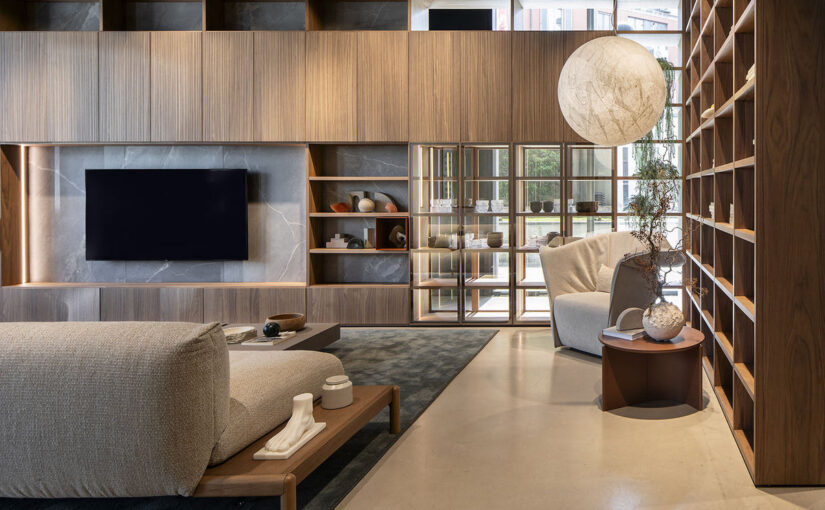
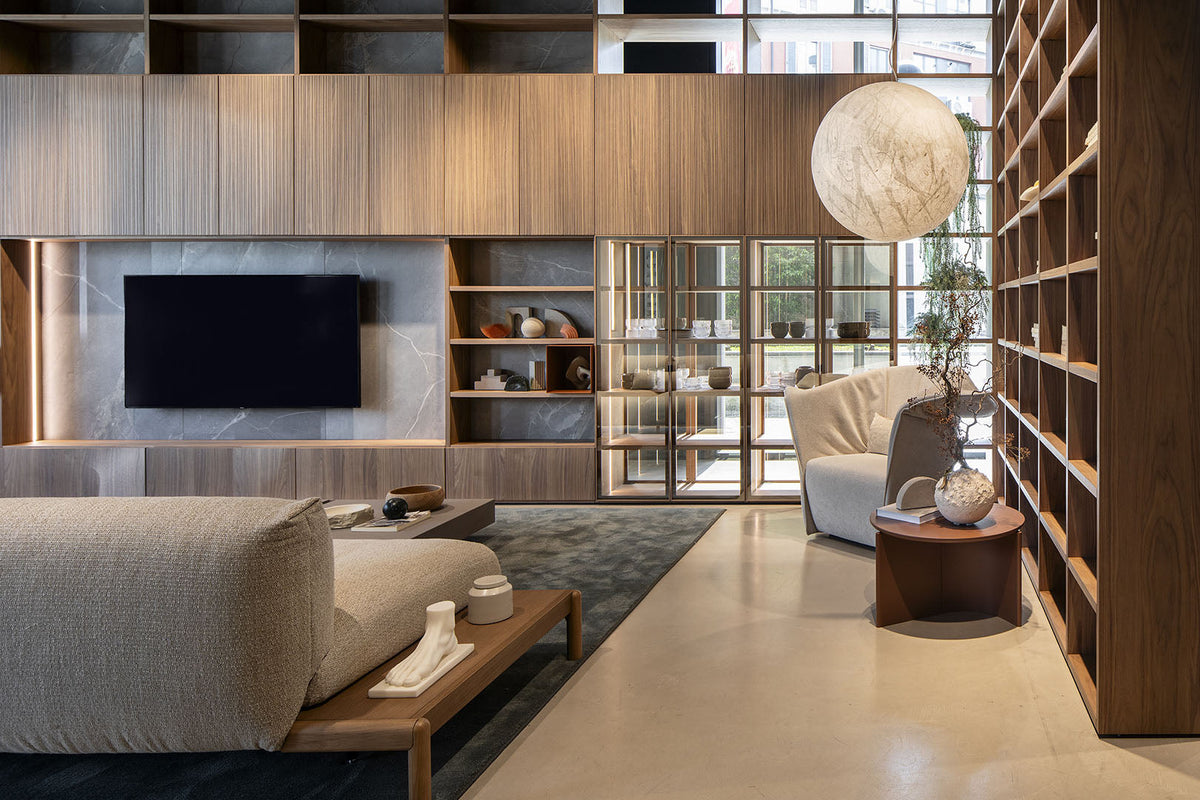
The defining feature is frameless construction. Traditional American cabinets use a face frame — a hardwood border on the front of the box that doors attach to. European cabinets skip it: doors and drawers mount directly to the cabinet box, creating a full-overlay front with almost no visible gaps. That single difference drives the whole look and much of the benefit.

Because there’s no frame narrowing the opening, frameless cabinets deliver up to around 15% more usable interior space, with wider drawers and easier access. The fronts sit flush against each other, producing the clean, uninterrupted plane that reads as unmistakably modern.

It’s also worth separating system from style. “German” and “Italian” describe the cabinet system — the engineering and build. “Scandinavian,” “French,” or “Mediterranean” describe the style — colours, finishes, and detailing. You can build a Scandinavian-looking kitchen on German cabinetry, which means you can choose engineering and aesthetics independently.

The Construction Details That Matter

With no face frame to lean on, frameless cabinets rely on thicker panels, reinforced backs, and precision hardware for strength — so build quality shows. A few things to check:

  • Box material. Engineered wood provides a stable base for frameless construction; plywood boxes generally cost more than particleboard or MDF-core and resist moisture better. Confirm exactly which panels are plywood rather than trusting a label.
  • Hardware. The “engine” of a European kitchen is its hinges, runners, and lift systems. Quality German hardware from names like Blum and Hettich is what delivers decades of silent, soft-close operation — and it’s worth prioritizing.
  • Precision. Frameless construction is less forgiving of out-of-square walls, so accurate installation by someone experienced with European systems matters more than with framed cabinets.

Materials and Finishes to Consider

European lines offer a wide finish range, and 2026 favours warmth and texture. Your main options:

  • High-gloss lacquer — layered and polished to a mirror finish, glamorous and light-reflecting, but shows fingerprints more readily.
  • Matte lacquer — soft, velvety, fingerprint-friendly, and dominant right now in warm neutrals like taupe and greige.
  • Natural wood veneer — real grain with better stability than solid wood across large fronts; walnut and smoked or roasted oak are surging, especially with sequence-matched grain.
  • Textured fronts — fluted and reeded surfaces add depth and craftsmanship without ornament.

Two-tone schemes — a darker wood base against warmer neutral uppers — remain the leading compositional strategy for adding depth.

German vs. Italian: Which System

If you’re choosing between the two great traditions, it comes down to priorities. German cabinetry leads with precision engineering, modularity, and technologically advanced hardware — ideal if you value ergonomics, longevity, and quiet, flawless performance. Italian cabinetry leads with artistry, material innovation, and bespoke flexibility — ideal if you want a design-forward, statement kitchen and freedom in finishes and dimensions. Both sit at the premium end; German often carries a higher starting price for its internal engineering, while Italian can offer strong design value and easier customization.

How to Shop Smart

A few practical steps separate a confident purchase from an expensive guess:

  • Work with a European specialist. Not every cabinet company builds true frameless construction; look for CNC precision and genuine European expertise.
  • Invest in the hardware. The daily experience — how a drawer glides and stops — lives in the hinges and runners, so don’t economize there.
  • Design the whole system. European cabinets look best when countertops, backsplash, lighting, and cabinetry are planned as one cohesive scheme.
  • See and touch before you buy. Showroom time reveals what a spec sheet can’t: the weight of a door, the silence of a drawer, the exactness of a gap.
  • Get real quotes. Pricing varies enormously with collection and customization, so compare quotes for your specific design rather than relying on averages.

The Bottom Line

European kitchen cabinets earn their reputation through a combination of smart construction, premium materials, and engineering you feel every day. Whether you lean German or Italian, gloss or matte, the throughline is the same — quiet quality built to last.

  • Frameless construction is the foundation — it drives the look, the storage, and the feel.
  • Hardware and box material decide longevity — prioritize both over surface flash.
  • Match system to your priorities and style to your taste — they’re separate choices, and you get to make both.

Ready to explore European cabinets for your kitchen? Book a consultation and our team will walk you through the systems, materials, and finishes in person — or Get a Quote to get started.